Choosing the right Hebrew lexicon can make Old Testament study clearer, faster, and more rewarding. Whether you’re tracing a single word or doing deeper exegesis, the right reference saves time and improves accuracy.
This roundup highlights 10 strong options for different study needs, from concise student tools to fuller scholarly lexicons.
Best 10 Hebrew Lexicon for Bible Study Picks for 2026
Classic Reference Pick
Brown-Driver-Briggs Hebrew Lexicon
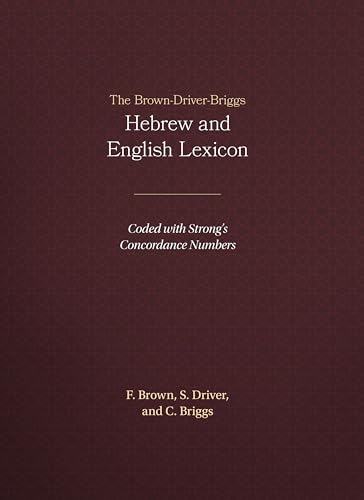
- Trusted standard for biblical Hebrew study
- Helpful for root, meaning, and usage lookup
- Strong companion for exegesis and sermon prep
Best For: Students, pastors, and serious readers who need a scholarly Hebrew reference.
Best for Word Studies
The Hebrew-Greek Key Word Study Bible
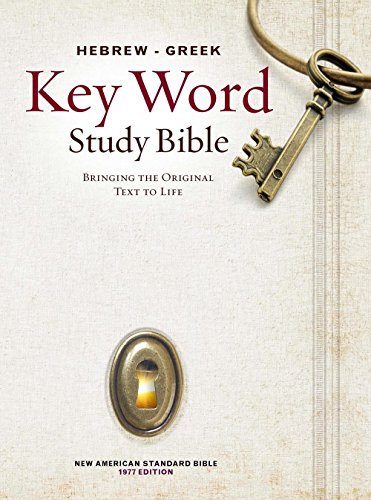
- Built-in Hebrew and Greek keyword study helps
- Designed for tracing biblical words in context
- Hardbound edition for frequent study use
Best For: Readers who want a Bible-centered word study tool with original-language references.
Best Scholarly Reference
Concise Hebrew & Aramaic Lexicon

- Compact version of a respected scholarly lexicon
- Covers Hebrew and Aramaic Old Testament study
- Great for exegesis, sermon prep, and research
Best For: Readers who need a reliable, academically grounded lexicon for in-depth Hebrew and Aramaic word study.
Best Index Cross-Reference
New Strong's Guide to Bible Words

- English index makes Strong’s lookups quick
- Covers both Hebrew and Greek terms
- Useful for study, teaching, and word tracing
Best For: Bible readers who want an accessible reference for tracing English words to original-language entries.
Best for Word-by-Word Hebrew Study
Hebrew Word Study: Beyond the Lexicon

- Context-focused Hebrew word study help
- Strengthens exegesis and interpretation
- Better for learners with some Hebrew background
Best For: Bible students and pastors seeking a deeper, context-driven Hebrew study resource.
Best for Everyday Use
The Ancient Hebrew Lexicon of the Bible

- Ancient Hebrew root-based reference
- Useful for exegesis and word studies
- More technical than beginner guides
Best For: Students and pastors doing deeper original-language Bible study.
Best Quick-Reference Study Aid
Hebrew Vocabulary (Quick Study Academic)

- Compact format for easy study-time use
- Built for quick vocabulary lookup and review
- Good companion to textbooks or Bible software
Best For: Students and Bible readers who need a portable Hebrew vocabulary reference.
Best for Original Language Study
Reader's Hebrew-English Lexicon

- Hebrew-to-English lookup for word study
- Useful for Old Testament exegesis
- Strong fit for academic Bible study
Best For: Students and serious Bible readers studying the Old Testament in Hebrew.
Best for Intratextual Study
Intratextual Hebrew Bible Lexicon

- Text-centered approach to Hebrew word meanings
- Strong fit for exegesis and advanced study
- More specialized than a typical lexicon
Best For: Students and serious Bible readers who want a context-driven Hebrew reference.
Best Concise Reference
Student's Concise Hebrew-English Lexicon

- All Hebrew and Aramaic words included
- Compact format for fast study lookup
- Great companion for Bible learners
Best For: Students, pastors, and lay readers who need a simple Hebrew word reference for Bible study.
Classic Reference Pick – Brown-Driver-Briggs Hebrew Lexicon
The Brown-Driver-Briggs Hebrew and English Lexicon is a foundational reference for anyone who wants a serious hebrew lexicon for bible study. It’s especially useful if you’re working through Old Testament passages and want a trusted, scholarly tool for looking up roots, meanings, and usage in context.
Best For: Students, pastors, and serious readers who want a classic scholarly lexicon for in-depth Hebrew word study.
Pros:
- Widely respected standard reference for biblical Hebrew study
- Strong for tracing word meanings, roots, and usage patterns
- Useful companion for exegesis, sermon prep, and language work
Cons:
- Dense and academic, so it can feel intimidating for beginners
- Older scholarship may be less approachable than modern guides
For readers who want a serious hebrew lexicon for bible study, Brown-Driver-Briggs remains a reliable go-to because of its depth and long-standing authority. It’s not the easiest option, but it is one of the most valuable when accuracy and detail matter.
Best for Word Studies – The Hebrew-Greek Key Word Study Bible
If you want a hebrew lexicon for bible study that keeps original-language helps close at hand, this NASB-77 edition is built for practical word study work. It links key Hebrew and Greek terms to study notes, making it easier to trace meanings without constantly switching books or tools.
Best For: Readers who want a study Bible focused on original-language word lookup and cross-referenced vocabulary help.
Pros:
- Integrates Hebrew and Greek key-word references directly into the Bible text.
- Useful for tracing recurring terms and studying meaning in context.
- Hardbound format suits regular desk or devotional use.
Cons:
- Based on the NASB-77 translation, which may not match every reader’s preferred text.
- Not a standalone lexicon, so it works best as a guided study aid.
For shoppers comparing a hebrew lexicon for bible study, this edition stands out as a streamlined hybrid: part Bible, part original-language reference tool. It’s especially helpful if you want word-study support without carrying a separate lexicon and concordance set.
Best Scholarly Reference – Concise Hebrew & Aramaic Lexicon
A Concise Hebrew and Aramaic Lexicon of the Old Testament (Eerdmans Language Resources (ELR))
Check Price On AmazonIf you want a serious hebrew lexicon for bible study, this Eerdmans reference is built for careful reading, word studies, and original-language work on the Old Testament. It condenses a major scholarly lexicon into a more usable format, making it a strong desk reference for students, pastors, and serious self-study.
Best For: Readers who need a reliable, academically grounded lexicon for in-depth Hebrew and Aramaic word study.
Pros:
- Compact version of a respected scholarly lexicon
- Useful for Hebrew and Aramaic Old Testament study
- Strong fit for exegesis, sermon prep, and research
- Trusted Eerdmans reference quality
Cons:
- Assumes some familiarity with biblical languages
- Less approachable than simplified study tools
- Not the lightest option for casual devotional reading
For anyone building a serious hebrew lexicon for bible study, this title stands out for balancing scholarly depth with a more manageable footprint than larger technical works. It is best when accuracy and reference value matter more than simplicity.
Best Index Cross-Reference – New Strong's Guide to Bible Words
The New Strong's Guide to Bible Words: An English Index to Hebrew and Greek Words
Check Price On AmazonIf you want a practical hebrew lexicon for bible study without juggling multiple tools, this guide is built around Strong’s numbering and an easy English index. It helps you move from an English word in your Bible to the underlying Hebrew or Greek term, which is especially useful for word studies and sermon prep.
Best For: Readers who want a straightforward reference for tracing Bible words back to their original-language entries.
Pros:
- Uses an English index to make Strong’s references easier to navigate.
- Helpful for both Hebrew and Greek word study in one volume.
- Good fit for study time, teaching prep, and quick lookups.
Cons:
- Not a full, stand-alone lexicon with in-depth language analysis.
- Works best when you already understand the basics of Strong’s numbers.
Overall, this is a solid practical pick if you need a hebrew lexicon for bible study that prioritizes speed, cross-referencing, and accessibility over advanced linguistic detail.
Best for Word-by-Word Hebrew Study – Hebrew Word Study: Beyond the Lexicon
If you want a hebrew lexicon for bible study that goes beyond simple word lists, this resource is aimed at helping you read Hebrew with more context and confidence. It’s a practical fit for students who want to understand how words work in actual passages, not just what they mean in isolation.
Best For: Bible students and pastors who want a deeper, more interpretive approach to Hebrew word study.
Pros:
- Focuses on meaning in context rather than isolated definitions.
- Useful for strengthening Hebrew exegesis and study habits.
- Fits learners who already have some basic Hebrew knowledge.
Cons:
- Not the easiest starting point for complete beginners.
- More specialized than a general-reference lexicon.
As a hebrew lexicon for bible study, this title stands out for readers who want to move past quick glosses and dig into how Hebrew words shape interpretation. If your goal is deeper study rather than simple lookup, it offers a focused, academically minded approach.
Best for Everyday Use – The Ancient Hebrew Lexicon of the Bible
If you want a hebrew lexicon for bible study that goes beyond basic word lists, this volume is built for deeper original-language work. It is especially useful when you need more historical context, root analysis, and a structured reference for interpreting Hebrew terms in Scripture.
Best For: Students, pastors, and serious readers who want a more in-depth Hebrew reference for exegesis and word-study work.
Pros:
- Focuses on ancient Hebrew roots and lexicon-style analysis
- Helpful for tracing word meaning in biblical context
- Good fit for detailed study, sermon prep, and research
Cons:
- More technical than a beginner-friendly reference
- May be more book than casual readers need
For anyone building a serious hebrew lexicon for bible study, this is a strong pick if you value depth over simplicity. It rewards readers who are comfortable with original-language tools and want a resource that supports careful interpretation.
Best Quick-Reference Study Aid – Hebrew Vocabulary (Quick Study Academic)
Hebrew Vocabulary: QuickStudy Laminated Reference Guide (Quick Study Academic)
Check Price On AmazonIf you want a compact, practical hebrew lexicon for bible study, this Quick Study Academic volume is geared toward fast lookup and frequent review rather than deep technical discussion. It’s a good fit when you need a simple reference you can keep nearby while reading, parsing, or preparing notes.
Best For: Students, pastors, and self-study readers who want a portable Hebrew vocabulary aid for regular Bible reading and review.
Pros:
- Compact format makes it easy to keep on hand during study sessions.
- Designed for quick vocabulary review and lookup.
- Useful as a companion reference alongside a Hebrew textbook or Bible software.
Cons:
- Not a full lexicon with in-depth word studies or extensive entries.
- More suited to learning and review than advanced scholarly research.
Overall, this is a practical choice if you need a straightforward hebrew lexicon for bible study that emphasizes accessibility and speed over exhaustive detail.
Best for Original Language Study – Reader's Hebrew-English Lexicon
If you want a practical hebrew lexicon for bible study, this classic reference is designed to help you move from the Hebrew text to clear English meaning with less guesswork. It’s especially useful when you need a reliable, scholarly tool for reading the Old Testament verse by verse.
Best For: Students, pastors, and serious readers who want a trusted Hebrew-English lexicon for Old Testament study.
Pros:
- Clear Hebrew-to-English lookup format for faster word study
- Strong fit for original-language Bible reading and exegesis
- Well-suited to academic and seminary-style study workflows
Cons:
- Assumes some familiarity with Hebrew basics
- More technical than a simple devotional reference
For readers who already work with the Hebrew text, this hebrew lexicon for bible study offers the kind of focused reference support that can make passages easier to interpret accurately without adding unnecessary clutter.
Best for Intratextual Study – Intratextual Hebrew Bible Lexicon
If you want a hebrew lexicon for bible study that focuses on defining Hebrew words by their own biblical context, this book takes a more text-centered approach than a standard dictionary. It is geared toward readers who want to see how meaning develops from usage inside Scripture, making it a practical fit for careful exegesis and word-study work.
Best For: Students, teachers, and serious readers who want a Hebrew reference built around intratextual interpretation rather than quick glossary lookups.
Pros:
- Context-driven approach can deepen word-study and exegesis
- Useful for readers who want Hebrew meanings tied closely to Scripture
- Distinctive angle compared with more conventional lexicon formats
- Helpful for advanced Bible study, teaching, or research-oriented reading
Cons:
- May feel specialized for casual readers
- Less suited to quick reference than a standard lexicon
- Best value depends on how much you use contextual Hebrew study methods
As a hebrew lexicon for bible study, this title stands out if your goal is to interpret Hebrew terms from within the biblical text itself. It is a strong choice for buyers who prioritize depth, method, and original-language analysis over convenience.
Best Concise Reference – Student's Concise Hebrew-English Lexicon
If you want a compact hebrew lexicon for bible study, this volume is built for quick lookups rather than deep technical analysis. It gathers Hebrew and Aramaic words from the Hebrew Scriptures and gives straightforward English meanings, making it easy to keep nearby while reading, translating, or preparing lessons.
Best For: Students, pastors, and lay readers who want a handy, no-frills Hebrew word reference for regular Bible study.
Pros:
- Covers all Hebrew and Aramaic words found in the Hebrew Scriptures.
- Concise format makes it practical for fast reference during study sessions.
- Useful for learners who want an accessible companion to the biblical text.
Cons:
- Not as detailed as larger academic lexicons.
- Best suited to basic lookup, not advanced linguistic research.
Overall, this is a solid hebrew lexicon for bible study if you value simplicity, portability, and direct access to word meanings over exhaustive scholarly depth.
How We Picked the Best Hebrew Lexicon for Bible Study
We focused on usefulness for real study, not just reputation. The best Hebrew Lexicon for Bible Study should balance accuracy, readability, scope, and ease of lookup. We also considered whether a resource works well for beginners, intermediate students, or advanced Hebrew readers.
Other factors included whether the lexicon supports Old Testament word studies, how much original-language knowledge is assumed, and whether it offers enough detail without becoming unwieldy for regular use.
Quick Comparison: What Type of Reader Needs What
Some books in this category are best for quick word checks, while others are built for detailed lexical research. Concise lexicons and study Bibles with Hebrew tools are better for frequent reference during sermon prep or classroom work. Larger academic lexicons are a stronger fit for translators, seminary students, and researchers.
Key Buying Factors for a Hebrew Lexicon for Bible Study
Depth Vs. Accessibility
If you are just learning Hebrew, look for a resource that explains terms clearly and avoids overwhelming technical jargon. If you already read Hebrew, a more detailed lexicon may be worth the extra complexity.
Coverage of Hebrew and Aramaic
A good Hebrew Lexicon for Bible Study should cover both biblical Hebrew and the Aramaic passages found in the Old Testament where relevant. That helps you avoid switching between multiple references.
Lookup Style and Workflow
Some readers prefer Strong’s-number-based tools, while others want dictionaries organized by root, lemma, or verse. Choose the format that matches how you already study.
Use Case and Budget
Students, pastors, and lay readers do not need the same depth. A compact guide may be ideal for daily reading, while a major scholarly lexicon makes more sense for serious word study or academic use.
Who Should Buy Which Hebrew Lexicon for Bible Study?
Beginners usually benefit from concise lexicons and study-Bible tools that explain terms in plain language. Intermediate users often need a balanced resource that connects Hebrew words to passages without requiring advanced linguistic training. Advanced students and scholars should look for fuller lexicons with broader citation support, stronger lexical detail, and better coverage of difficult texts.
If you want the most practical setup, pair a readable reference with a deeper scholarly lexicon. That gives you both speed for everyday study and depth when a passage calls for more careful analysis.